
What you will discover in this article

With the rise of remote working and sedentary jobs, more and more people are experiencing pain related to office work.
Although sitting in front of a computer may seem physically undemanding, this prolonged posture is one of the main causes of musculoskeletal pain.
Fortunately, physical therapy offers effective solutions to prevent and relieve these discomforts, while improving posture and quality of life at work.
Common injuries related to office work
Neck and shoulder pain
Poor posture, such as leaning your head forward or slouching your shoulders, puts constant strain on your neck and shoulder muscles. Over time, this can lead to:
- Neck stiffness
- Shoulder tension
- Tension headaches
- Reduced mobility
Lower back pain
Sitting for long periods of time, especially without adequate lumbar support, weakens the stabilizing muscles of the core. This can cause persistent lower back pain and, in some cases, contribute to the onset of radiating pain such as sciatica.
Pain in the wrists and hands (carpal tunnel syndrome)
Poor wrist positioning when using a keyboard or mouse can compress the nerves. Common symptoms include:
- Numbness
- Tingling
- Pain in the hands and fingers
Elbow pain (lateral epicondylitis)
Repetitive use of the mouse can put excessive strain on the tendons in the forearm, causing pain in the elbow, commonly known as tennis elbow, even in people who do not play sports.
How physical therapy can help office workers
Physical therapy takes a comprehensive and personalized approach to treating office-related pain, targeting both the cause of the problem and long-term prevention.
Postural and ergonomic assessment
Good workplace ergonomics play a key role in preventing pain associated with office work.
Manual therapy
Manual techniques are used to:
- Reduce muscle tension
- Improve joint mobility
- Reduce pain
Targeted exercises and prevention
A personalized exercise program helps strengthen postural muscles, improve stability, and prevent pain from recurring.
Education and work habits
The physical therapist will guide you on:
- Active breaks
- Stretches to do at the office
- Simple adjustments to protect your body on a daily basis
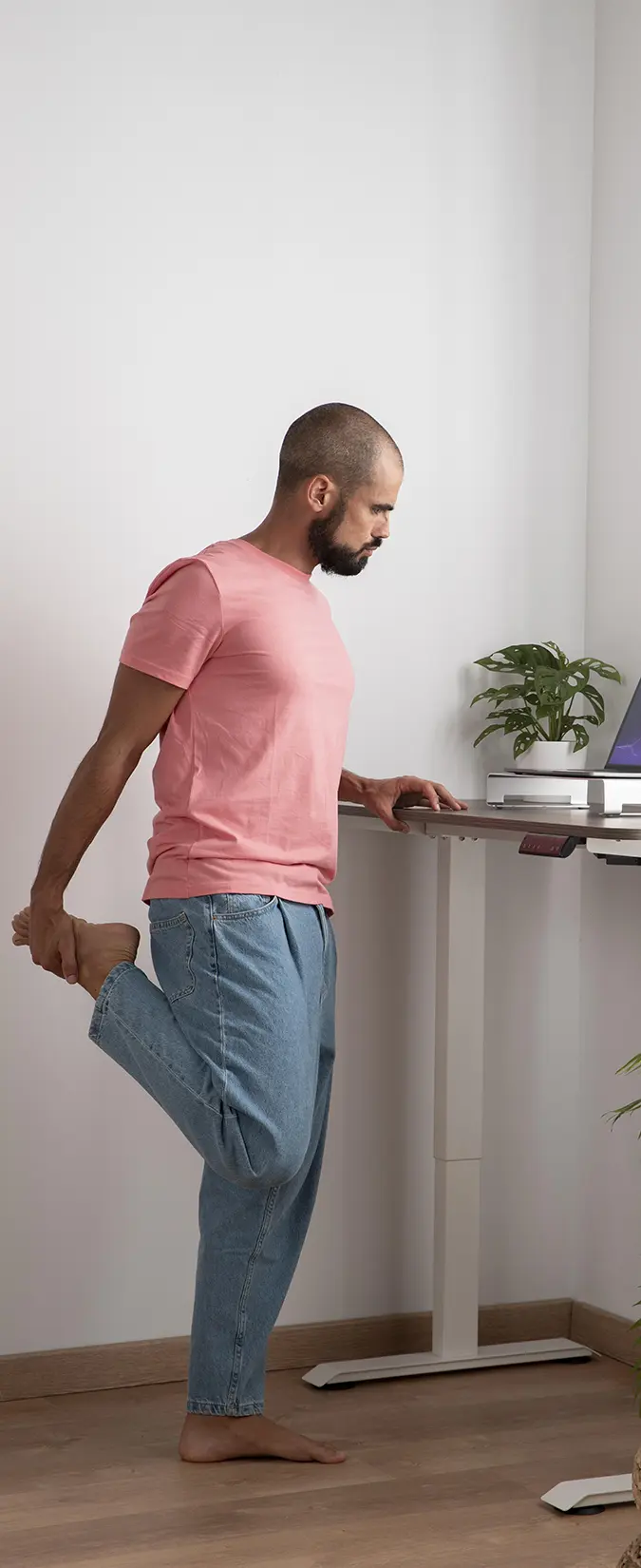
Small adjustments, big benefits
Simple changes, such as adjusting the height of your chair, repositioning your screen, or taking regular breaks, can have a major impact on your comfort and productivity.
Pain related to office work should not be ignored. Physiotherapy treatment not only relieves pain, but also prevents long-term injuries.
Make an appointment today with Posturo+ for a personalized assessment and regain greater comfort at work and in your daily life.
