
What you will discover in this article

A sharp pain that starts in the lower back and travels down the leg is often associated with sciatica. This common and sometimes debilitating condition can significantly affect quality of life.
Although common, sciatica is often misunderstood. Fortunately, physical therapy offers effective, non-invasive solutions to relieve pain and treat the cause of the problem.
What is sciatica?
Sciatica is not a diagnosis in itself, but a symptom related to irritation or compression of the sciatic nerve.
This nerve is the longest in the human body: it starts at the lower back, crosses the hips and buttocks, and then runs down each leg.
In most cases, the pain affects only one side of the body and can range from mild discomfort to severe pain that limits movement.
Sciatica is well documented in physical therapy, particularly by recognized clinical resources such as Physiopedia.
Common causes of sciatica
Herniated disc
The most common cause. An intervertebral disc may shift or bulge, putting direct pressure on the sciatic nerve.
Spinal stenosis
A narrowing of the spinal canal that can compress the nerves, particularly common in older people.
Piriformis syndrome
When the piriformis muscle, located in the buttocks, becomes tight or inflamed, it can irritate the sciatic nerve.
Disc degeneration
Over time, spinal discs lose their elasticity, which can cause inflammation or nerve compression.
Spondylolisthesis
One vertebra slips forward relative to another, compressing the nerve roots connected to the sciatic nerve.
Common symptoms of sciatica
Sciatica can manifest itself in different ways, including:
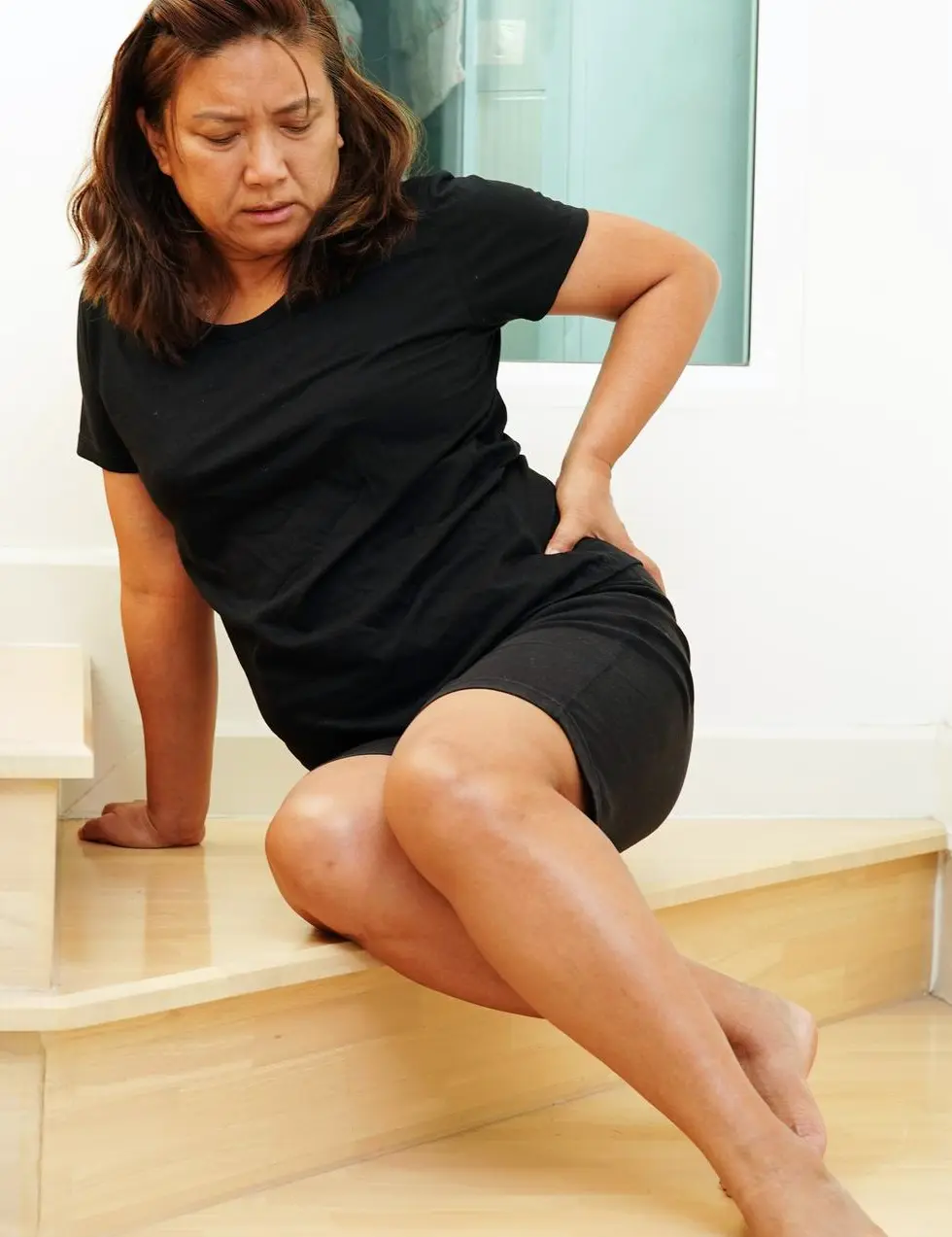
How physical therapy can relieve sciatica
Physical therapy aims to treat the cause of nerve irritation, not just mask the symptoms.
Manual therapy
Specific techniques can reduce pressure on the sciatic nerve, improve joint mobility, and reduce pain.
Targeted exercises
Appropriate exercises can strengthen the core muscles, improve spinal stability, and reduce the risk of recurrence.
Correction of posture and movements
The physical therapist helps you adopt better posture and safe movements in your daily life, which are essential for preventing further episodes.
Pain management
Non-invasive approaches are used to reduce inflammation and promote lasting recovery.
When should you seek medical advice for sciatica?
If the pain persists, intensifies, or limits your daily activities, it is strongly recommended that you seek medical attention promptly. Early treatment can often prevent the condition from becoming chronic.
Sciatica can be painful and worrisome, but it can be effectively treated with the right approach. Physical therapy offers safe, personalized, and lasting solutions to relieve pain and restore optimal mobility.
Make an appointment today with PosturoPlus for a comprehensive assessment and begin your journey toward lasting sciatica relief.
